




Music and Performing Arts of Asia and the Pacific

Diverse in scope and orientation, this series showcases works that highlight commonalities and specificities in music and performing arts traditions in Asia and the Pacific. Drawing insights from ethnomusicology, performance studies, cultural studies, history, folklore, anthropology, gender studies, and social sciences, the series aims to document ways in which this region is being constituted through music and performance. The series invites particular perspectives such as center-periphery, global-local, universal-specific, colonialism-postcolonialism, official-unofficial, mainstream-marginal, collectivism-individualism, as well as other approaches that can further our understanding of the region’s interconnectivity and performative imaginaries.
Frederick Lau, series editor
Showing all 14 results
-
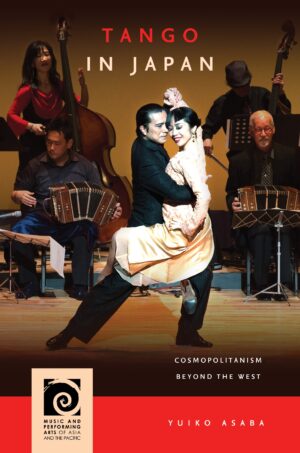
Tango in Japan: Cosmopolitanism beyond the West
-
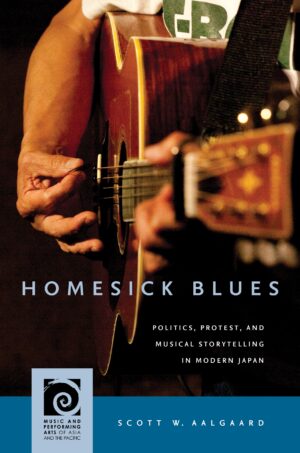
Homesick Blues: Politics, Protest, and Musical Storytelling in Modern Japan
-
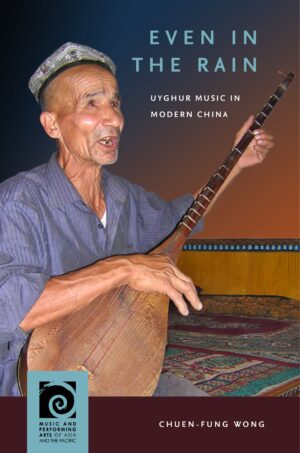
Even in the Rain: Uyghur Music in Modern China
-
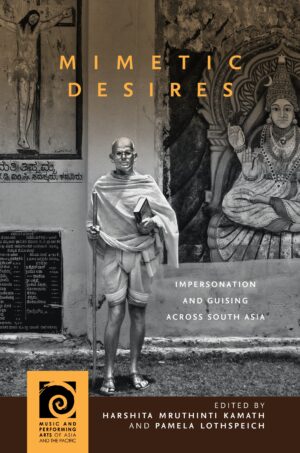
Mimetic Desires: Impersonation and Guising across South Asia
-
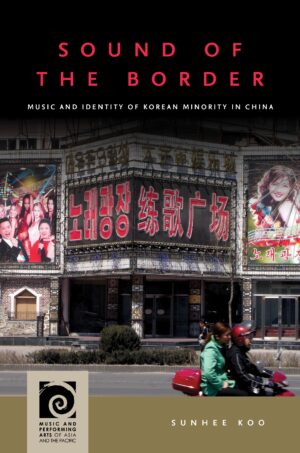
Sound of the Border: Music and Identity of Korean Minority in China
-
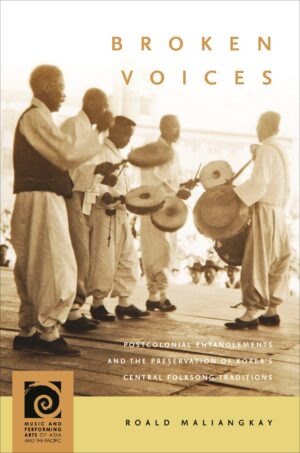
Broken Voices: Postcolonial Entanglements and the Preservation of Korea’s Central Folksong Traditions
-
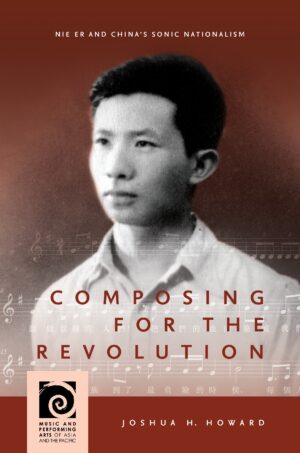
Composing for the Revolution: Nie Er and China’s Sonic Nationalism
-
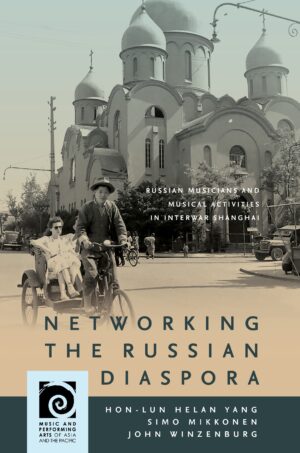
Networking the Russian Diaspora: Russian Musicians and Musical Activities in Interwar Shanghai
-
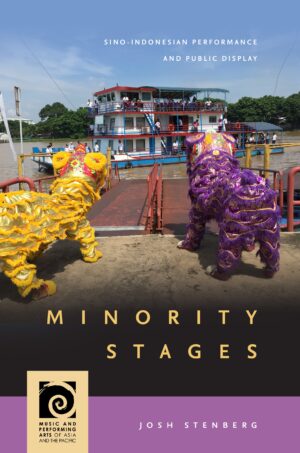
Minority Stages: Sino-Indonesian Performance and Public Display
-
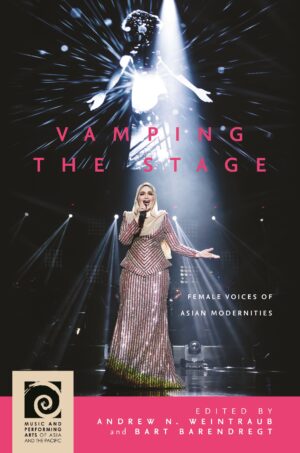
Vamping the Stage: Female Voices of Asian Modernities
-
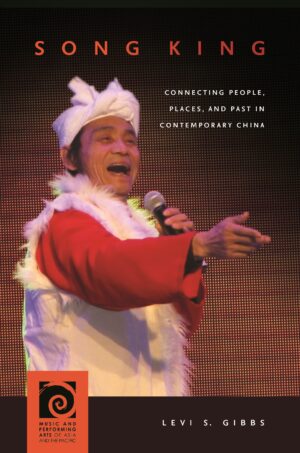
Song King: Connecting People, Places, and Past in Contemporary China
-

Making Waves: Traveling Musics in Hawai‘i, Asia, and the Pacific
-

Hearing the Future: The Music and Magic of the Sanguma Band
-
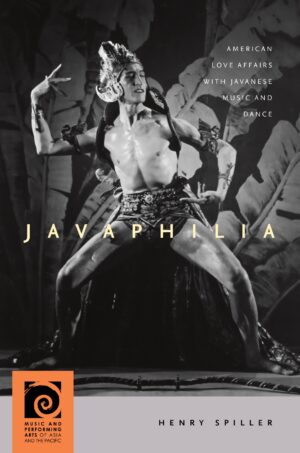
Javaphilia: American Love Affairs with Javanese Music and Dance